
Introduction
In the world of Debian-based distributions, package management is an essential task for keeping the system up-to-date, secure, and free of unnecessary software. Although the command line offers full control via apt and dpkg, many users prefer a graphical interface that reduces the learning curve and allows them to clearly see what is being installed or removed. Synaptic has become over the years one of the most popular options thanks to its combination of power and usability.
What is Synaptic?
Synaptic is a GTK+ based package manager designed specifically to work with Debian’s APT repositories and its derivatives, such as Ubuntu, Linux Mint, and others. Its main goal is to provide a detailed view of all available packages, allowing the user to mark actions such as install, upgrade, or remove, and then apply those changes in a controlled manner. Unlike more modern software centers, Synaptic shows technical information such as dependencies, exact versions, and the state of each package, making it an ideal tool for administrators and advanced users.
Installation
In most Debian-based distributions, Synaptic is not installed by default, but its addition is straightforward. Open a terminal and run:
- sudo apt update
- sudo apt install synaptic
After installation, you can launch Synaptic from the applications menu or by running the command synaptic. In some Ubuntu versions, you may need to enable the «universe» repository before the package becomes available.
Interface and Navigation
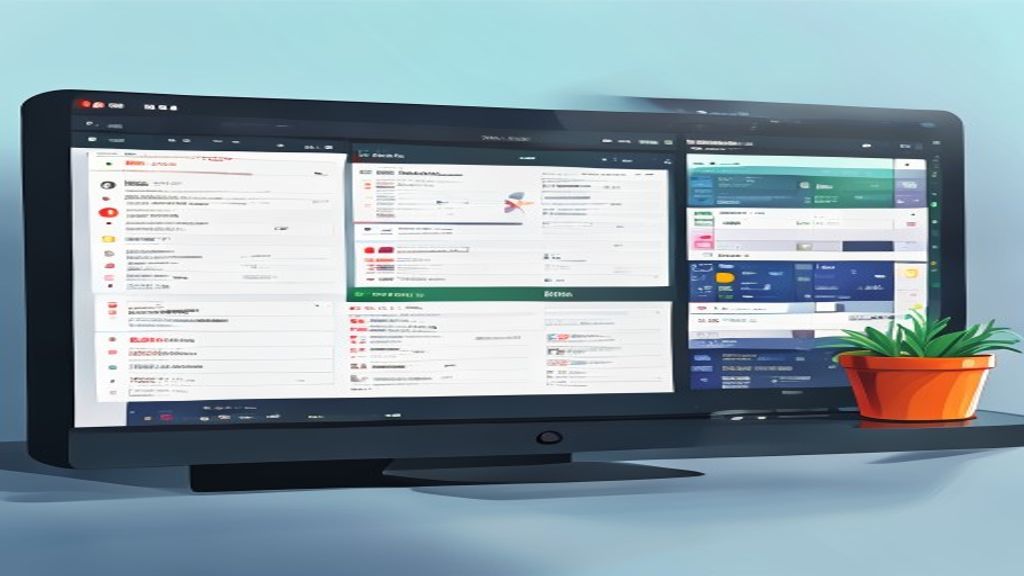
When opening Synaptic, a window divided into three panes appears: the left pane lists package categories (by section, status, or origin), the center pane shows the filtered packages according to the search or applied filters, and the right pane displays the detailed description of the selected package. The toolbar includes buttons to reload the index, search, mark all upgrades, and apply changes. This layout allows efficient work even with thousands of available packages.
Common Operations
The typical workflow in Synaptic follows these steps:
- Click the «Search» button to locate a package by name, description, or keyword.
- Check the box corresponding to the desired action: Install, Mark for Upgrade, Mark for Removal, or Mark for Reinstallation.
- Repeat the process for all packages you need to modify.
- Press the «Apply» button so that Synaptic downloads and installs the changes, automatically resolving dependencies and showing a summary before proceeding.
During application, a log of the performed actions is displayed and final confirmation is requested, which reduces the risk of accidentally removing essential packages.
Repository Management
Synaptic also allows managing APT repositories from its interface. Via the menu «Settings» → «Repositories», the user can:
- Add, edit, or remove lines in sources.list.
- Enable or disable commercial, source, or third-party repositories.
- Reload package information to reflect the changes made.
This functionality is useful when you want to test packages from unstable versions, add PPAs in Ubuntu, or simply keep sources.list tidy and free of duplicate entries.
Tips and Best Practices
To get the most out of Synaptic and avoid common issues, follow these recommendations:
- Always reload the index before searching or installing packages (
sudo apt updateor the «Reload» button). - Use the «State» filter to quickly see which packages are installed, upgradable, or broken.
- Before applying bulk changes, review the summary shown by Synaptic to ensure that no critical dependencies will be removed.
- If you need to install a specific package from a different version, use the «Specify version» option in the package menu.
- Keep a record of the changes made by taking screenshots or noting the actions in a text file, especially in production environments.
Alternatives to Synaptic
Although Synaptic remains a solid option, there are other graphical tools that may better suit certain user profiles:
- GNOME Software: a software center focused on desktop applications, with ratings and screenshots.
- Discover: the default in KDE, it integrates Flatpak and Snap packages in addition to traditional DEBs.
- Apper: another KDE alternative that offers a simple interface for updates and installations.
- aptitude: although it is a command-line tool, its interactive mode provides an experience similar to Synaptic without requiring a graphical environment.
The choice depends on the level of detail needed and the desktop environment being used.
Conclusion
Synaptic remains a valuable piece in the arsenal of any Linux user working with Debian-based distributions. Its combination of power, transparency, and flexibility makes it especially suitable for scenarios where detailed control over package management is needed, whether on production servers, development workstations, or personal computers that require meticulous administration. Although more modern interfaces have gained popularity due to their simplicity, Synaptic demonstrates that sometimes the classic tool remains the most effective when precision and confidence are sought.